
h1, h2 { color: #2c3e50; }
img { max-width: 100%; height: auto; margin: 20px 0; }
a { color: #2980b9; text-decoration: none; }
a:hover { text-decoration: underline; }
.content { max-width: 960px; margin: auto; background-color: #ffffff; padding: 30px; border-radius: 10px; box-shadow: 0 2px 8px rgba(0,0,0,0.1); }
In the realm of large-scale construction projects, ensuring the feasibility and safety of construction plans is paramount. Traditional methods, relying on 2D drawings and 3D models, often fall short in conveying the intricate details and potential issues that may arise during the construction process. Enter virtual reality simulations—a transformative approach that brings construction plans to life, allowing teams to immerse themselves in a virtual representation of the project before breaking ground.
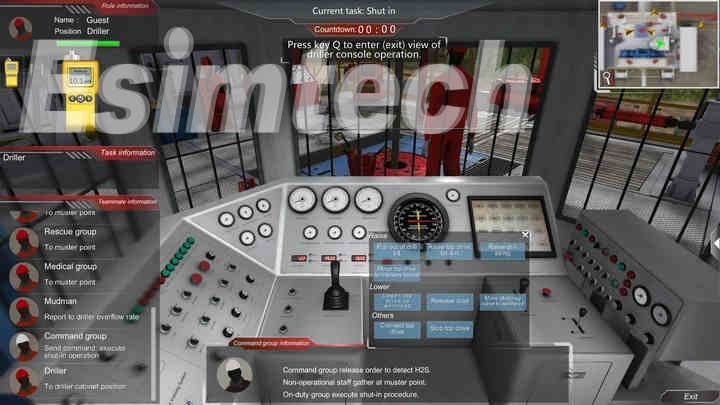
What Are Virtual Reality Simulations in Construction?
Virtual reality simulators in construction involve creating immersive, interactive 3D environments that replicate the proposed building or infrastructure project. By donning VR headsets, stakeholders can navigate through the virtual space, gaining a comprehensive understanding of spatial relationships, construction sequences, and potential design conflicts.
These simulations are not just visual aids; they are dynamic tools that allow for real-time interaction and modification. Teams can assess various scenarios, test construction methodologies, and make informed decisions that enhance the overall efficiency and safety of the project.
How Do Virtual Reality Simulations Enhance Construction Planning?
Implementing VR simulations in construction planning offers several key benefits:
- Early Detection of Design Conflicts: By virtually walking through the construction plan, teams can identify spatial conflicts, such as overlapping systems or inadequate clearances, that might not be evident in traditional models.
- Improved Stakeholder Communication: VR provides a common platform for architects, engineers, contractors, and clients to collaborate, ensuring that everyone has a clear understanding of the project scope and design intent.
- Enhanced Safety Planning: Simulating construction sequences allows for the identification of potential safety hazards, enabling teams to develop mitigation strategies before actual construction begins.
- Cost and Time Efficiency: Detecting and resolving issues in the virtual environment reduces the likelihood of costly changes and delays during construction.
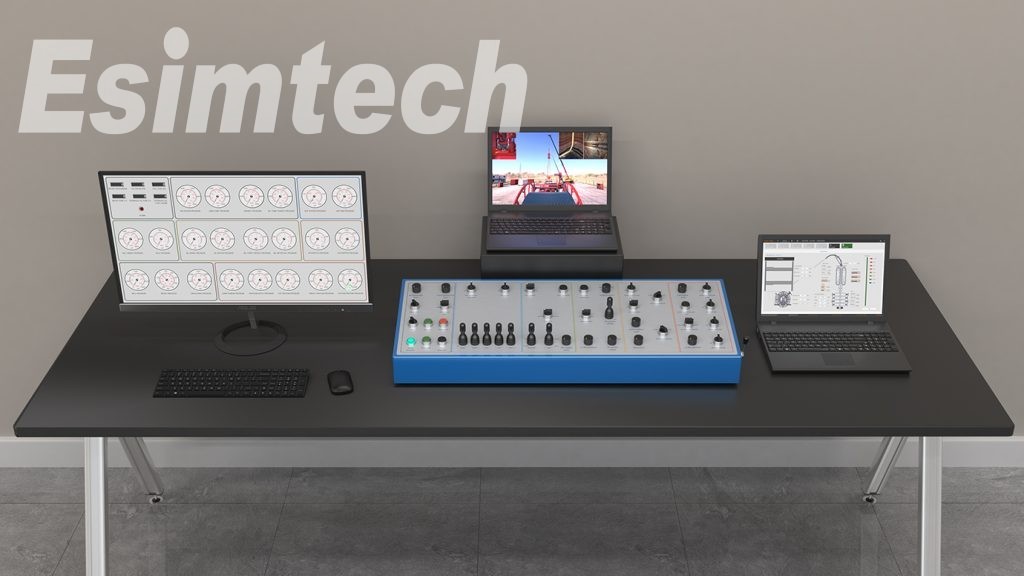
Real-World Applications and Success Stories
Companies worldwide are leveraging VR simulations to streamline their construction planning processes. For instance, eSimTech offers advanced VR solutions that enable construction teams to immerse themselves in detailed virtual environments, facilitating better planning and coordination.
Moreover, firms like HoloBuilder provide platforms for creating and sharing 360° views of construction sites, allowing for real-time progress tracking and remote collaboration. These tools have proven invaluable in large-scale projects where coordination across various teams and locations is critical.
Integrating VR Simulations into Your Construction Workflow
Adopting VR simulations requires a strategic approach:
- Assess Project Needs: Determine which aspects of your project would benefit most from VR integration, such as complex design elements or critical construction sequences.
- Select Appropriate Tools: Choose VR simulation software that aligns with your project requirements and integrates seamlessly with existing design tools.
- Train Your Team: Ensure that team members are proficient in using VR tools to maximize their effectiveness.
- Iterate and Refine: Use VR simulations throughout the planning phase to continuously assess and improve the construction plan.
Looking Ahead: The Future of VR in Construction
As technology advances, the role of VR in construction planning is set to expand further. Integration with Building Information Modeling (BIM), real-time data analytics, and augmented reality (AR) will provide even more robust tools for planning, execution, and maintenance of construction projects.
Embracing these technologies not only enhances the planning process but also positions companies at the forefront of innovation in the construction industry.
For more information on how VR simulations can transform your construction planning process, visit virtual reality simulators page.