
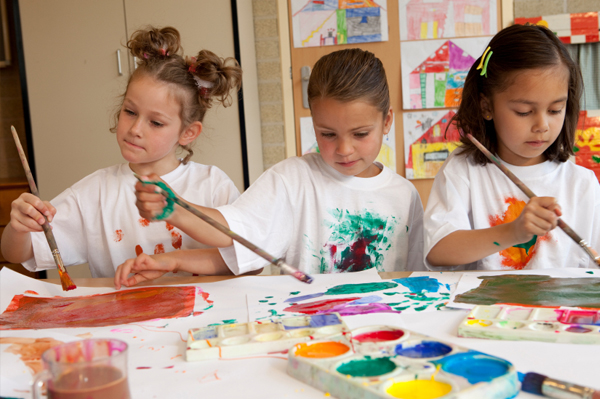
As children grow, they are introduced to a world filled with new experiences, ideas, and opportunities. Among the most powerful tools for fostering their personal and academic growth is art. Drawing, in particular, offers an exceptional way for children to engage with their environment and develop a wide range of skills. Children’s drawing classes offer more than just the chance to create beautiful artwork; they serve as a dynamic platform for cultivating creativity, improving cognitive abilities, and enhancing emotional well-being. In this article, we will explore the many benefits of children’s drawing classes and how they can shape young minds for the future. 創意學堂好嗎.
The Transformative Power of Drawing for Children
For young children, the world can often seem complex and overwhelming. Drawing provides a simple yet effective way for them to process their thoughts, emotions, and experiences. Whether it’s through the act of sketching their favorite cartoon character or depicting a scene from their daily life, drawing helps children make sense of the world in ways words cannot express. Children's drawing classes provide a structured environment where young minds can explore their potential while receiving the guidance they need to grow.
1. Fostering Creativity and Imagination
One of the most significant advantages of drawing classes is the way they stimulate creativity. Children are natural dreamers and often have vast imaginations, but sometimes they need the freedom and encouragement to express their ideas fully. Drawing classes give children the tools to transform abstract concepts into concrete images, which sparks their creative process.
Whether a child is drawing a jungle full of exotic animals or a futuristic city, they’re encouraged to think outside the box and experiment with their artistic choices. This creativity extends beyond the art room, influencing problem-solving skills and innovative thinking in everyday life. The more children explore and develop their artistic skills, the more they learn to approach challenges from multiple angles, which is a valuable skill in all areas of life.
2. Developing Cognitive and Problem-Solving Skills
Drawing is a multifaceted activity that requires a child to think critically about how to represent objects, people, and scenes on paper. By studying proportions, angles, and symmetry, children learn to recognize patterns and solve visual problems. For example, when a child is drawing a tree, they must decide how to position the branches and leaves in relation to the trunk, how to balance the color and texture, and how to make the drawing appear three-dimensional.
This critical thinking process strengthens cognitive abilities and lays the groundwork for skills that are essential in both mathematics and science. For instance, understanding symmetry and spatial awareness in drawing will later translate to a better grasp of geometry or physics. As children grow, their drawing skills can directly contribute to their ability to think analytically and solve problems in different contexts.
3. Improving Fine Motor Skills
Fine motor skills are crucial for everyday tasks like writing, eating, and buttoning clothes. Drawing classes are an excellent way to develop these skills, as children are required to control their hand movements when they hold a pencil or brush. The more children practice drawing, the better they get at using their fingers and hands to create intricate designs, leading to greater dexterity.
Through the repetitive action of drawing shapes, shading, or coloring within lines, children enhance their ability to manipulate small objects and coordinate hand-eye movements. These motor skills are also necessary for more advanced activities as children age, such as learning to write legibly or playing musical instruments.
4. Promoting Emotional Expression
Children often experience emotions that they are not equipped to verbalize. Drawing gives them a nonverbal way to express their feelings. Whether a child is feeling excited, anxious, or confused, they can pour these emotions into their artwork. Art classes provide a safe space for children to explore their feelings, and this process can have therapeutic benefits.
For example, a child who has had a stressful day might draw pictures of things that make them happy, such as their family, a favorite pet, or a sunny landscape. This form of expression can help children process complex emotions and gain emotional clarity. Additionally, it allows them to communicate their feelings in ways that may be difficult to express through words.
5. Building Confidence and Self-Esteem
As children develop their artistic skills, they begin to recognize their own potential. Completing a drawing or learning a new technique can be an empowering experience that boosts a child’s confidence. The positive reinforcement they receive from teachers and peers further fuels their belief in their abilities.
Moreover, as children continue to create and improve their artwork, they see tangible evidence of their progress. Each completed piece serves as a milestone that showcases their growth, contributing to an overall sense of accomplishment. This confidence can extend to other areas of their lives, making them more willing to take on new challenges and develop a strong sense of self-worth.
6. Encouraging Social Interaction and Teamwork
Drawing classes also promote socialization among children. In many art classes, children work on projects both individually and as part of a group. When working on a collaborative art project, children learn how to communicate their ideas and respect others’ creative contributions. They also practice essential social skills, such as sharing materials, offering compliments, and giving constructive feedback.
Through group art activities, children are able to bond with their peers over a shared interest in art. These interactions teach them the value of teamwork and collaboration, skills that are essential both inside and outside the classroom.
What to Expect in a Children’s Drawing Class
Children’s drawing classes are designed to balance structured learning with creative freedom. Instructors typically start by teaching children basic drawing techniques, such as how to sketch, use different types of pencils, and create shading effects. As children become more comfortable with the process, they are introduced to new tools and techniques, such as using markers, watercolors, and pastels.
The goal is not just to teach children how to replicate images but to encourage them to think creatively and develop their own unique artistic style. Instructors often offer themed lessons, such as drawing animals, landscapes, or portraits, but they also allow children the freedom to explore their ideas and interests.
Many classes also incorporate art history lessons, helping children understand the works of famous artists and art movements. This not only broadens their appreciation for art but also inspires them to experiment with new techniques and styles.
Conclusion: A Lasting Gift of Art
Drawing classes provide children with an incredible opportunity to explore their creativity and develop a range of skills that will serve them throughout their lives. The benefits of drawing extend far beyond the art itself; they touch upon areas such as cognitive development, emotional well-being, social interaction, and self-confidence. These classes nurture a child’s ability to think critically, express themselves, and appreciate the world around them in new and exciting ways.
By enrolling children in drawing classes, we are giving them more than just the chance to create—they are being given the tools to grow, learn, and thrive. Whether or not a child continues to pursue art as a career, the skills and experiences gained from drawing classes will stay with them, influencing their personal growth and enriching their future endeavors.